




The High Price of Football Replica Shirts
Wednesday, December 24, 2025 · 333 days ago
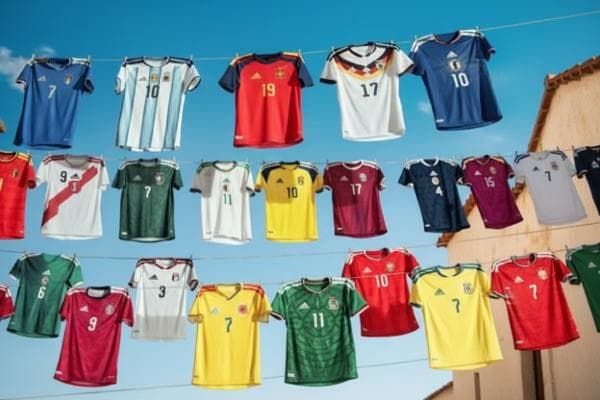
Football fans often wonder why replica team shirts can be so expensive. One reason is that manufacturers, such as Adidas, Nike, and Puma, don't always make a profit from shirt sales. Instead, they benefit from having their brands associated with popular clubs and national teams. The clubs and federations are the ones who profit most directly from the kit business. The final price of an official kit includes various costs, such as royalties, licensing fees, global marketing, manufacturing technology, international logistics, and brand strategy. For example, a Premier League kit costs around £640. Breaking down this price, we can see that fabric, sewing, and transportation costs account for about £61.60, while marketing, licensing fees, and distribution add up to around £68.80. Tax contributes around £98.30, and the manufacturer's share is approximately £117.30. The retailer's share is typically around £271.00. According to Puma's director, Fabio Kadow, this breakdown of the gross price is accurate, with the main variation being in the marketing part. Licensing and royalties are significant contributors to the final price, as they grant the right to use the club or national team's crest and visual identity. Official shirts also use high-performance materials and production techniques, such as technical fabrics, reinforced stitching, and advanced printing or embroidery, which requires a more complex production process than regular clothing. Manufacturers often choose to focus on media projects and branding rather than maximizing profits from shirt sales. This is particularly true for big clubs, where the focus is on promoting the team's image and reputation. National teams also pose a challenge for manufacturers, as they only get exposure every four years. Overall, the high price of football replica shirts is due to a combination of factors, including licensing fees, royalties, marketing costs, and the use of high-performance materials and production techniques. While manufacturers may not directly profit from shirt sales, they benefit from the exposure and branding opportunities that come with being associated with popular teams.