




Manchester United's Managerial Market Drought
Tuesday, January 13, 2026 · 313 days ago
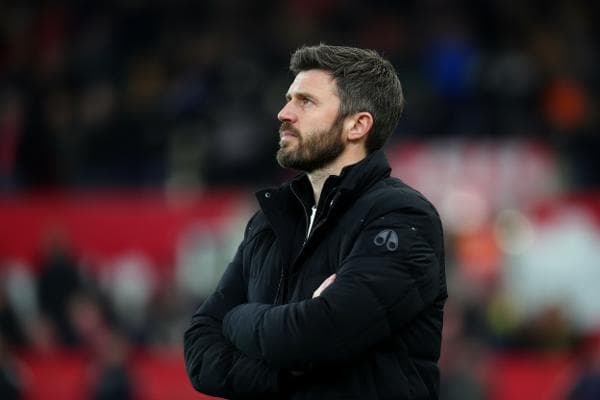
Manchester United's decision to appoint Michael Carrick as interim head coach after the departure of Ruben Amorim raises questions about the state of the managerial market in football. The club's ability to attract and retain top talent has become a major concern, as the supply of elite managers has significantly decreased. The current crop of top managers, such as Pep Guardiola, is limited, and the next generation of coaches has not yet reached the level of expertise and experience required to lead top clubs. As a result, clubs are turning to familiar faces, compromise, and nostalgia to fill the gap. The Premier League, with its vast resources and supposed ruthlessness, has become a prime example of this stagnation. Over the past five years, clubs have spent over half a billion pounds on compensation packages for departing managers and staff, not to mention the cost of rebuilding squads and repairing damage to team coherence and confidence. Chelsea's recent appointment of Liam Rosenior, a relatively unknown coach with limited experience, is a stark example of the current state of the market. Despite delivering successes in the past, the club chose to replace Enzo Maresca with a coach who lacked the same level of achievement. Manchester United's decision to remove Amorim, despite being in a relatively healthy competitive position, is a symptom of the club's impatience and its willingness to prioritize short-term results over long-term goals. The club's ownership group, composed of investors with limited football knowledge, makes decisions that are detached from on-pitch reality. As a result, managers are often judged solely on their ability to deliver immediate results, rather than their long-term vision and leadership. This creates a cycle of short-term thinking, where clubs prioritize quick fixes over sustainable success. According to Brian Clough, "good managers make good sides, there's no such thing as a side making a manager." However, the modern game has created an environment where clubs undermine the conditions necessary for elite management to flourish. Carrick's appointment is a symptom of this issue, rather than a solution. Manchester United, like many other clubs, will continue to cycle through interim managers, struggling to find the right leadership to drive their success. The concept of an interim manager has become increasingly absurd, as every appointment is temporary by design. The instability is no longer a consequence of failure, but of the operating model itself.