




The Rise of a Legendary Figure: Franco Baresi's Journey
Friday, July 31, 2026 · 115 days ago
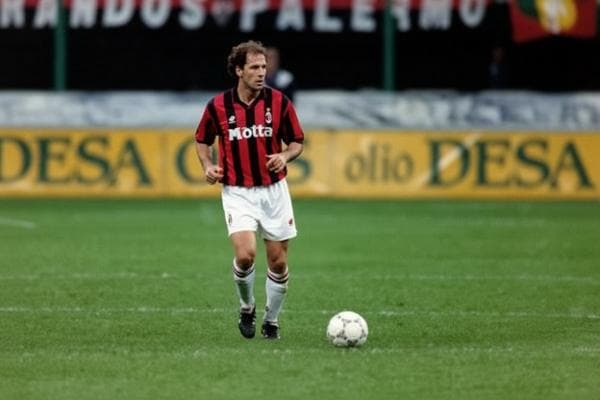
At the age of 14, Franco Baresi was left orphaned, but he found a new family at AC Milan's youth academy in 1974. Baresi's journey to becoming a legendary figure began with a recommendation from executive Guido Settembrino, who helped him join the team after being rejected by Inter, his beloved club. In 1978, coach Nils Liedholm gave Baresi his Serie A debut, and he quickly became a key player in the team, earning the trust of his coaches and teammates. Baresi's leadership skills were evident even at a young age, and he became the team's leader at just 22 years old. He inherited the captain's armband and went on to make history with his performances. Baresi's career was marked by both triumphs and challenges. He experienced two relegations with Milan, first after the Totonero scandal and then in 1982, and also faced a serious illness that forced him to stop playing for several months. However, he remained loyal to his beloved club and chose to stay with Milan despite being courted by other teams. The arrival of Silvio Berlusconi in 1986 marked the beginning of Milan's revival, and Baresi played a crucial role in the team's success under coach Arrigo Sacchi. Alongside players like Ruud Gullit, Marco van Basten, and Frank Rijkaard, Baresi led the Rossoneri to the 1988 Scudetto and the European Cups in 1989 and 1990. His duels with Diego Maradona became legendary during those years, and Maradona even paid tribute to Baresi by wearing his shirt after a historic match. Baresi's national team career also had its highlights. He returned to the team in 1994, after an initial farewell in 1992, and played in the World Cup, which ended with a penalty shootout defeat to Brazil in the final. Despite being the first Italian to miss from the spot and suffering a meniscus tear just 25 days before the final, Baresi delivered a remarkable performance. Baresi's final years as a player were dedicated to Milan, and he celebrated the 1996 league title. He announced his retirement in June 1997, ending a career entirely devoted to the Rossoneri colours and becoming one of the greatest icons in Italian football history.